
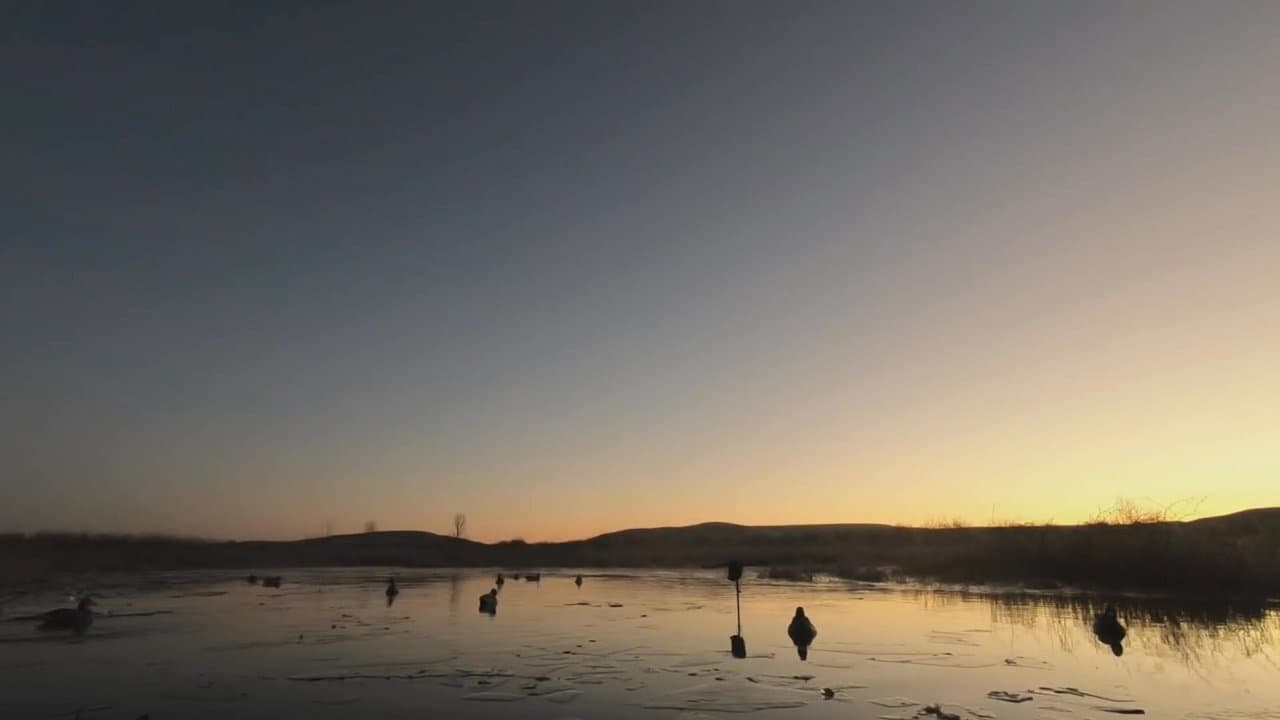
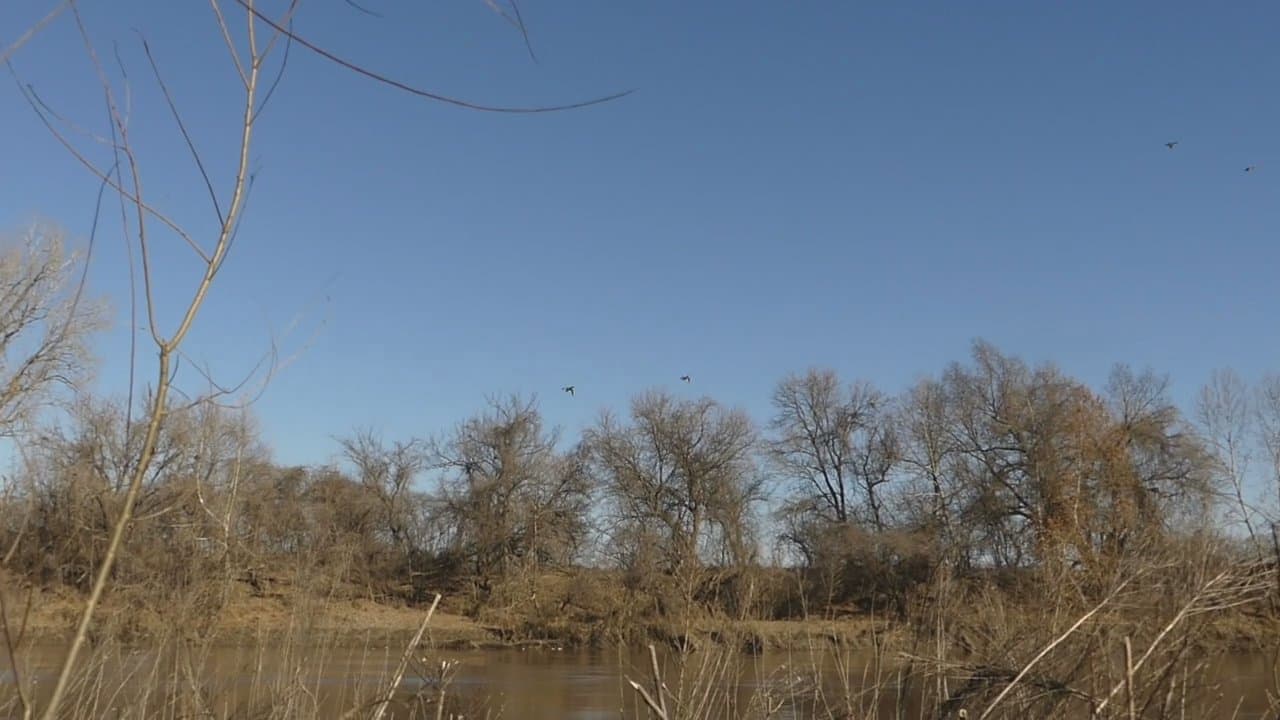
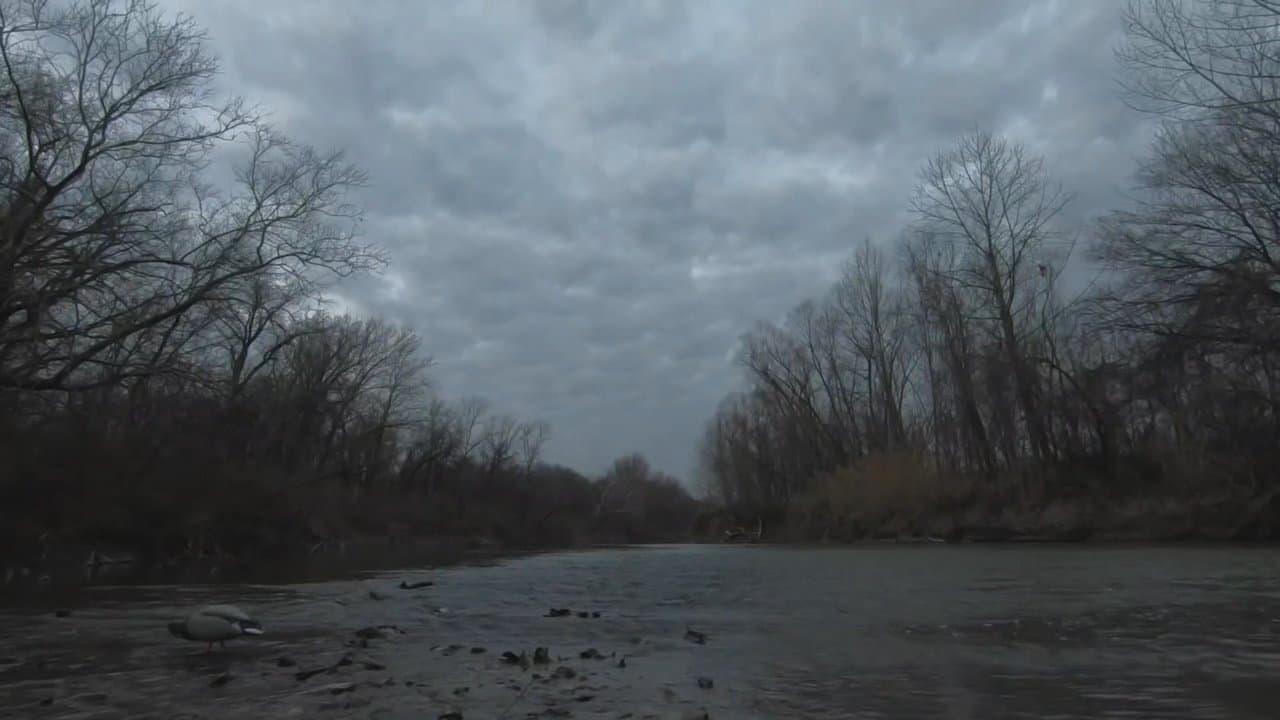
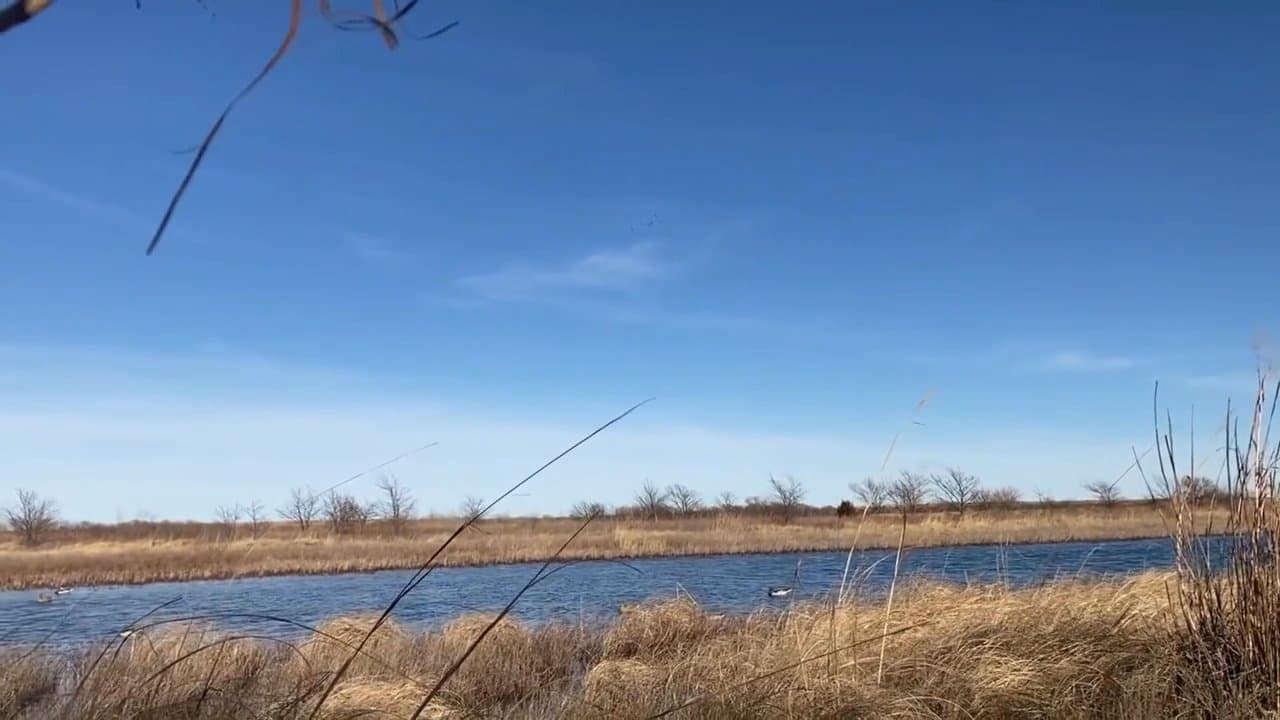
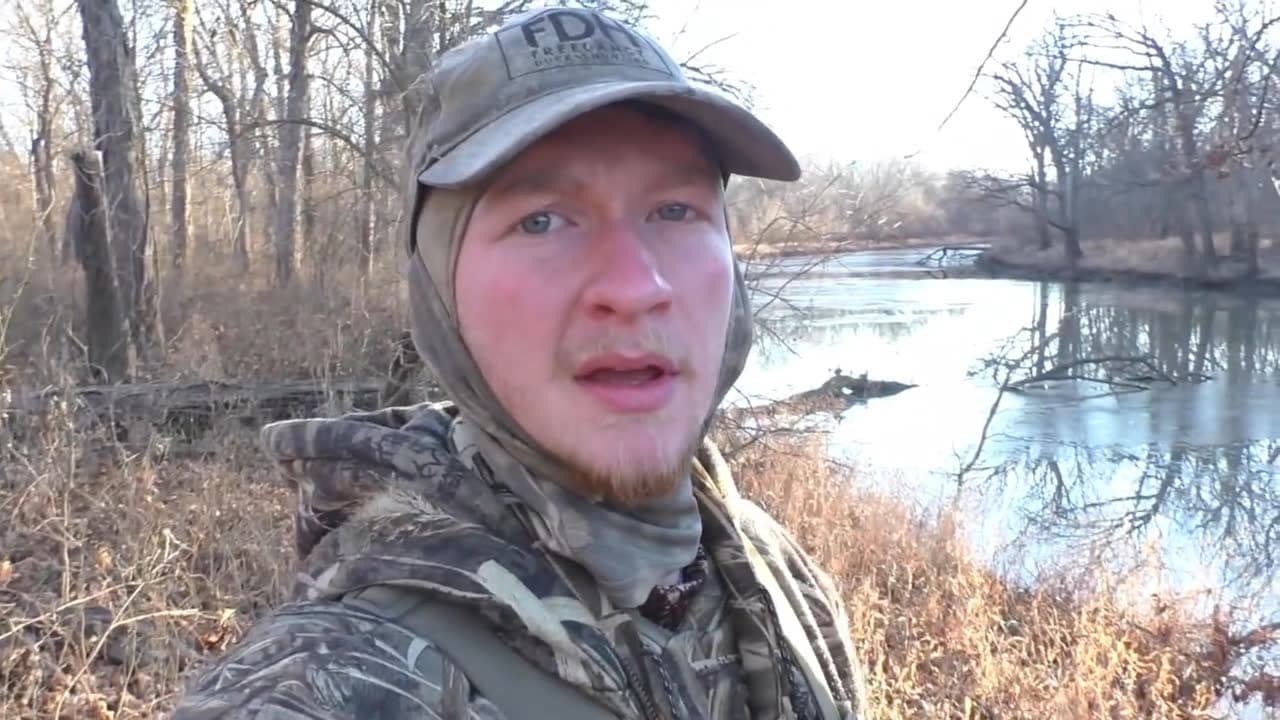
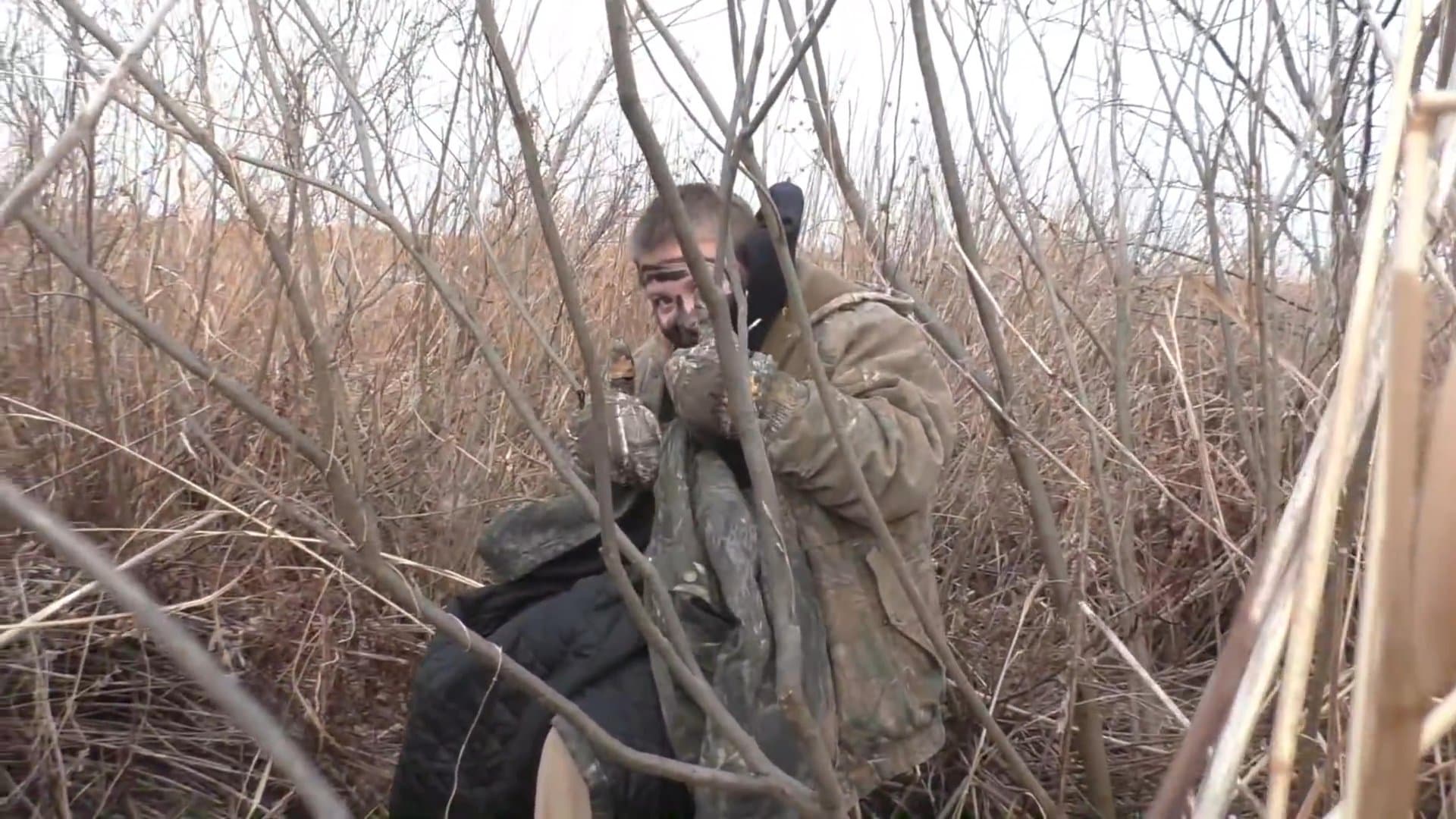
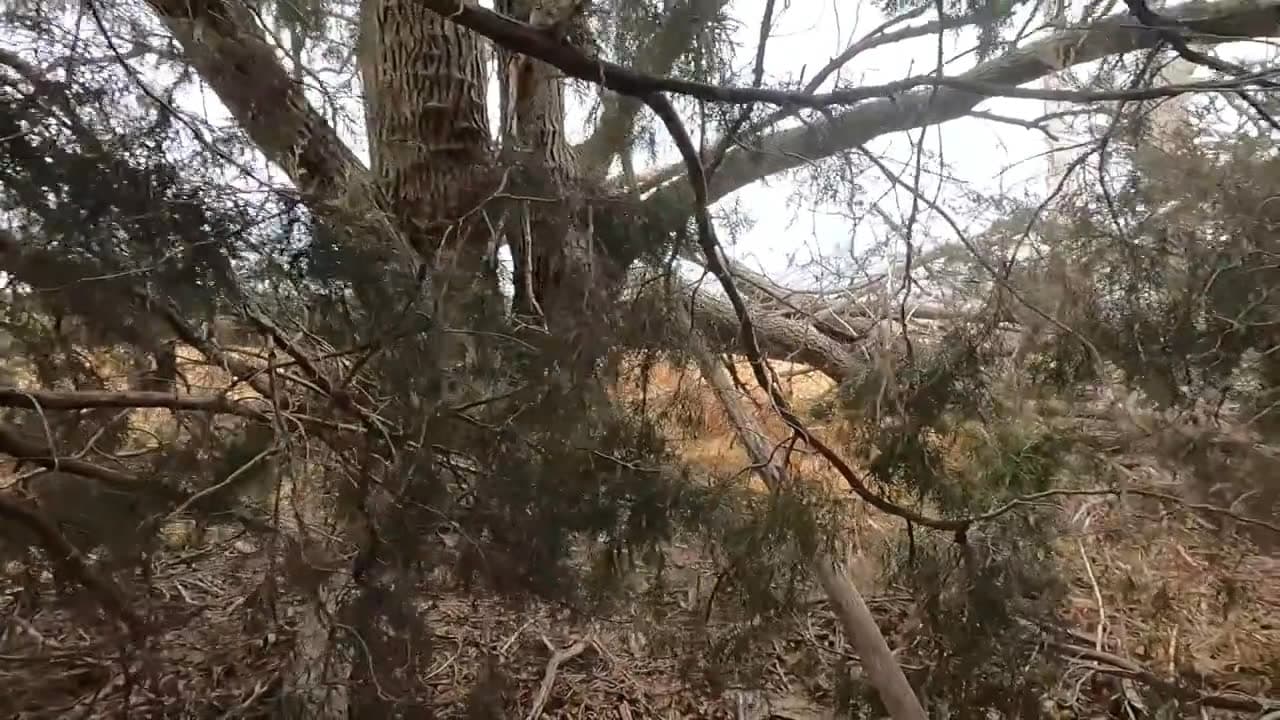
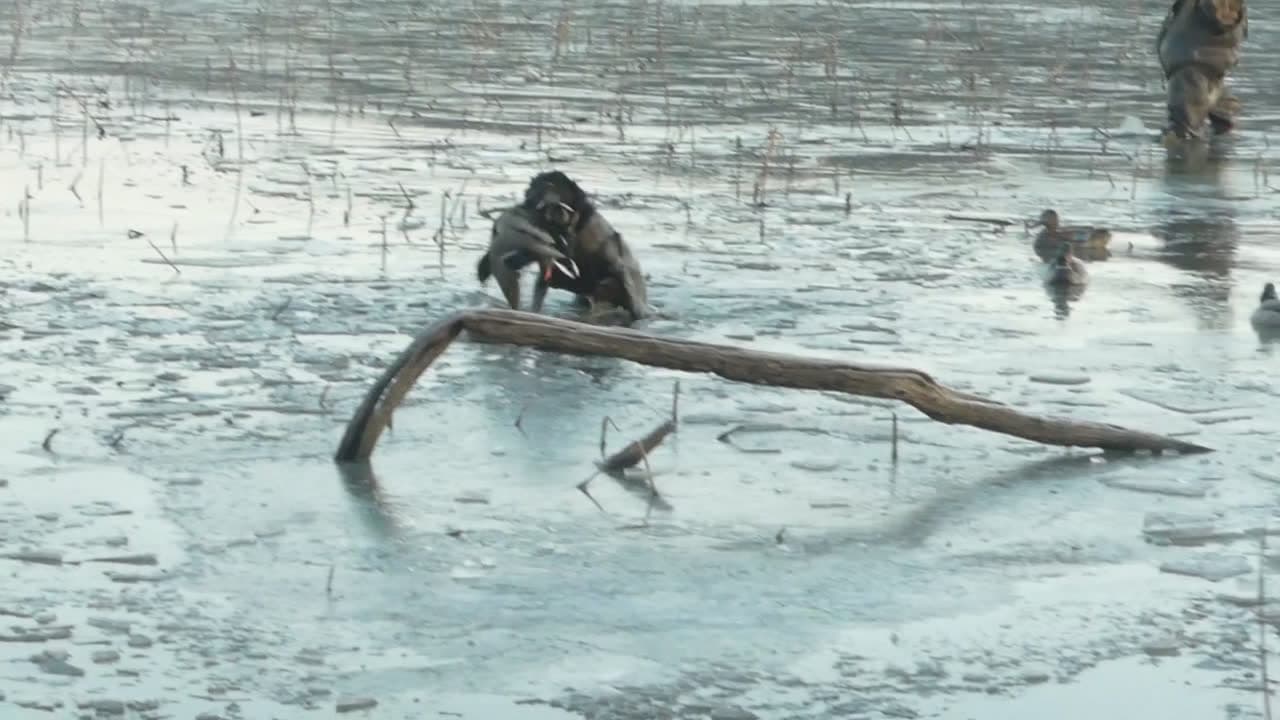
Follow along as two duck hunters venture into an ice-covered marshland they've never hunted before, unsure what to expect. After spotting a young beaver and navigating sheet ice, they set up decoys and begin their morning session with limited initial success. The hunters demonstrate smart fieldcraft by relocating their blind twice to pursue duck activity, moving from their original setup to follow birds circling a nearby oxbow, and finally breaking out a productive ice hole in the shade of a dead oak tree. Once they find the right spot, the action heats up dramatically. The mallards begin cupping nicely over their decoys, and they efficiently harvest four ducks in about 30 minutes from their ice hole. By the end of the morning, they've successfully taken six greenhead mallards, with four of them landing right in their spread. This is a great example of adaptability and patience in duck hunting - they could have done better by starting at the final location, but they learned the marsh and found success. Perfect for hunters looking to see real field decision-making and hunting techniques on unfamiliar water.
 6:436:43
 6:466:46
 8:348:34
 8:488:48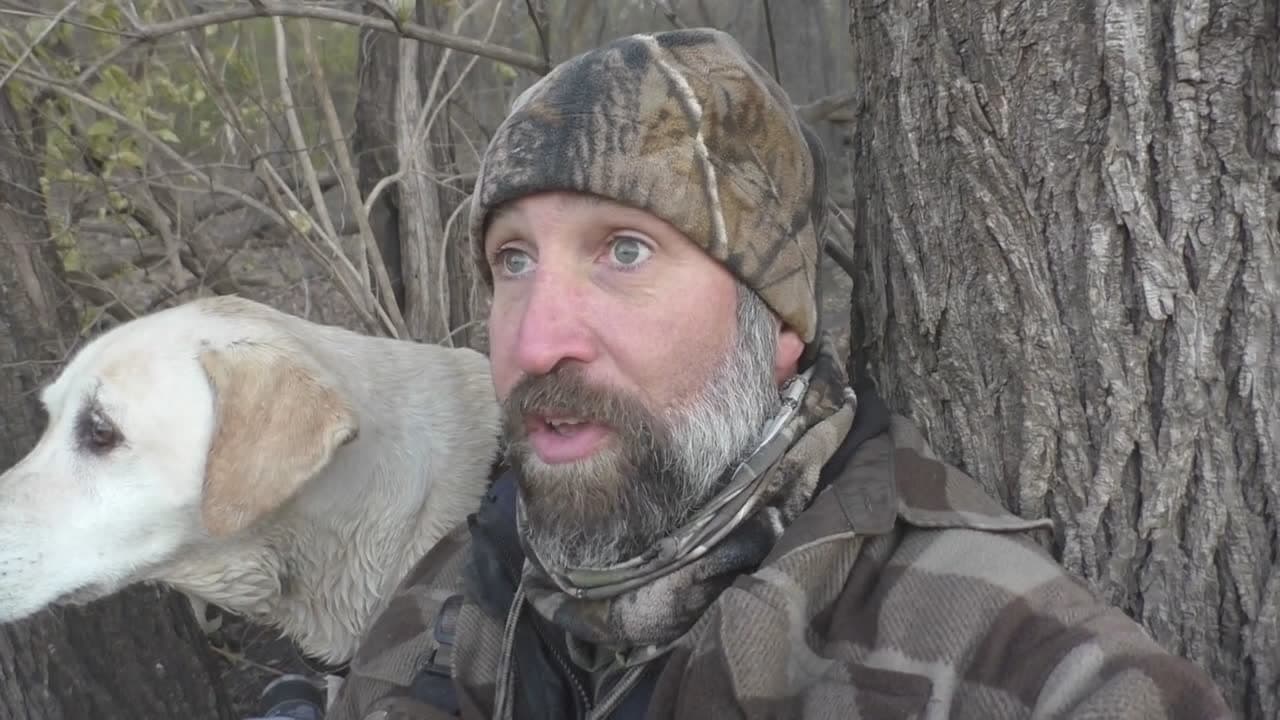
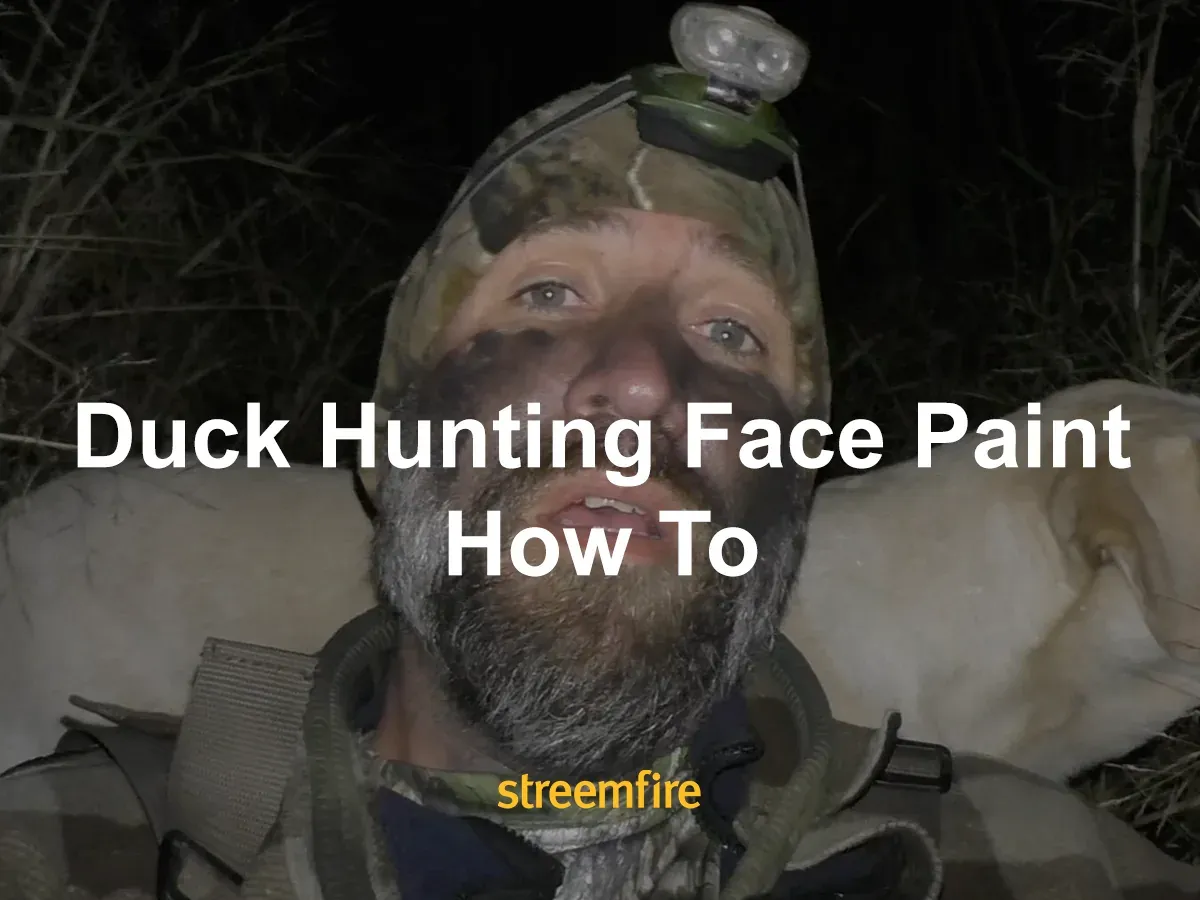
Ducks are known to have tremendous eye-sight, so staying as concealed as possible is of utmost importance for every hunter. And one of the best ways to do that is to apply duck hunting face paint. While applying duck hunting face paint may seem like an easy job, believe it or not, it isn’t. This article will go over not only what type of face paint you should buy, but also how to apply it to give yourself the best concealment.
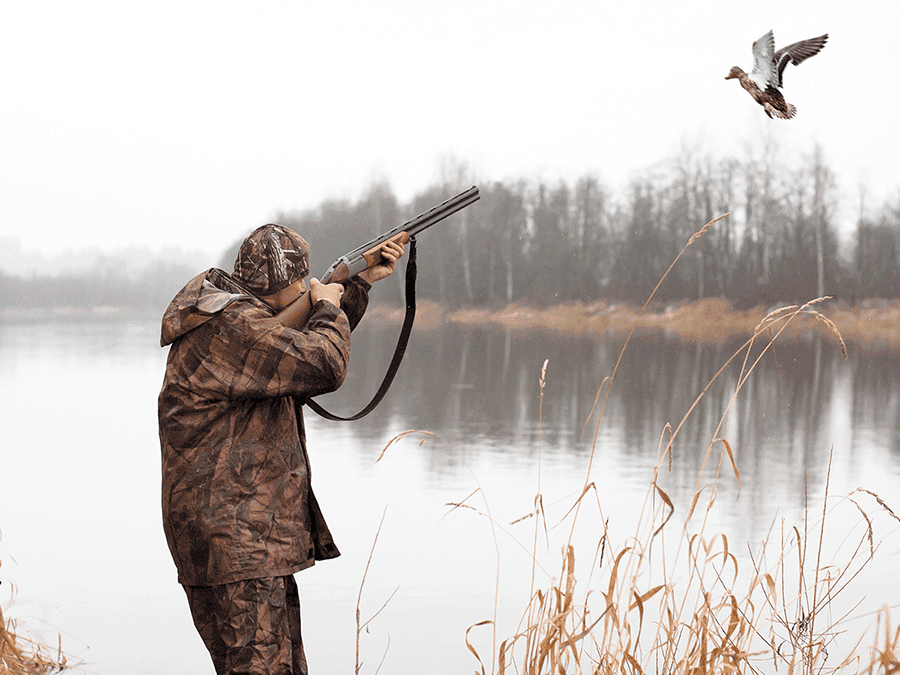
Looking at picking up a beginner-friendly shotgun for waterfowl hunting? These are the two best options on the market for 2023.
 10:3010:30
 9:519:51
 9:459:45
 9:249:24
Reach thousands of passionate duck hunters. Premium ad placements coming soon.
 Coming Soon
Find the best duck hunting lodges and guided outfitter experiences across the country.
 Coming Soon